Patio doors are one of the most important elements in modern indoor–outdoor living. They control how much light enters your home, how you move between spaces, how well your home insulates, and how secure your openings are.
In 2025, homeowners want:
- Large glass openings that blur the line between inside and outside.
- Energy-efficient glazing to keep cooling and heating bills down.
- Smooth, reliable operation for daily use.
- Security features that don’t ruin the view.
This guide covers:
- Operating styles: Sliding, French, bifold, pivot, and niche systems.
- Materials: Vinyl, wood, aluminum, fiberglass, steel.
- Glass & performance: U-factor, SHGC, Low‑E, and impact glass.
- Security, costs, and ROI: What to expect and how to choose smartly.
For a broader buying overview, also see our dedicated Patio Doors Buying Guide.
Exploring Your Patio Door Options: Types and Styles
There’s a patio door style for every home and need. Here’s a breakdown of the main types:
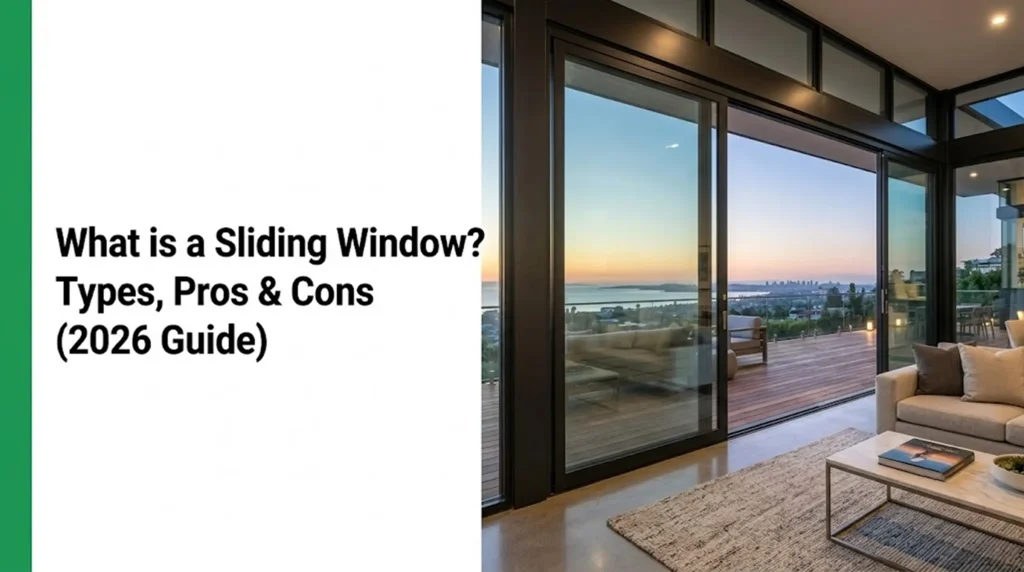
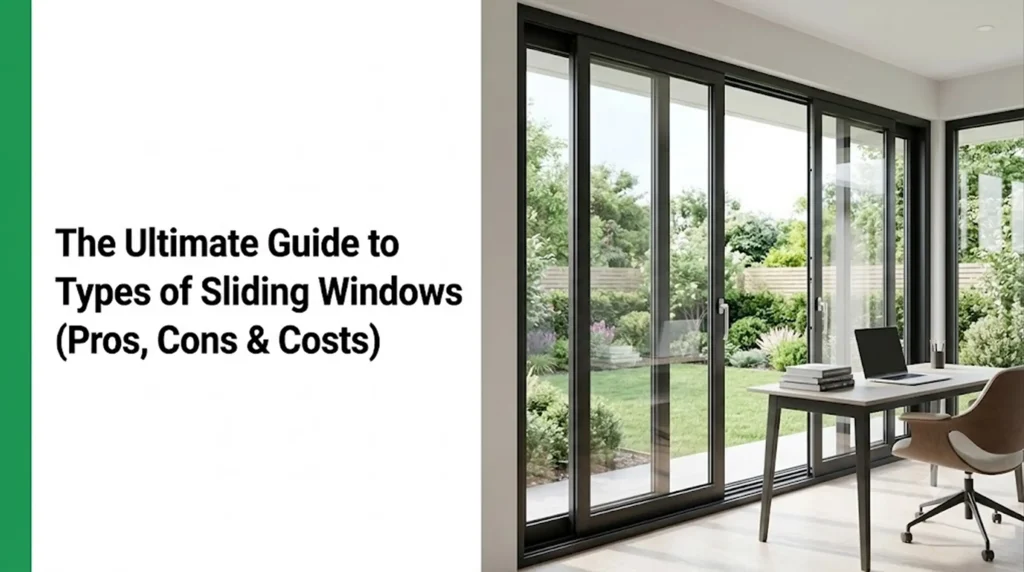
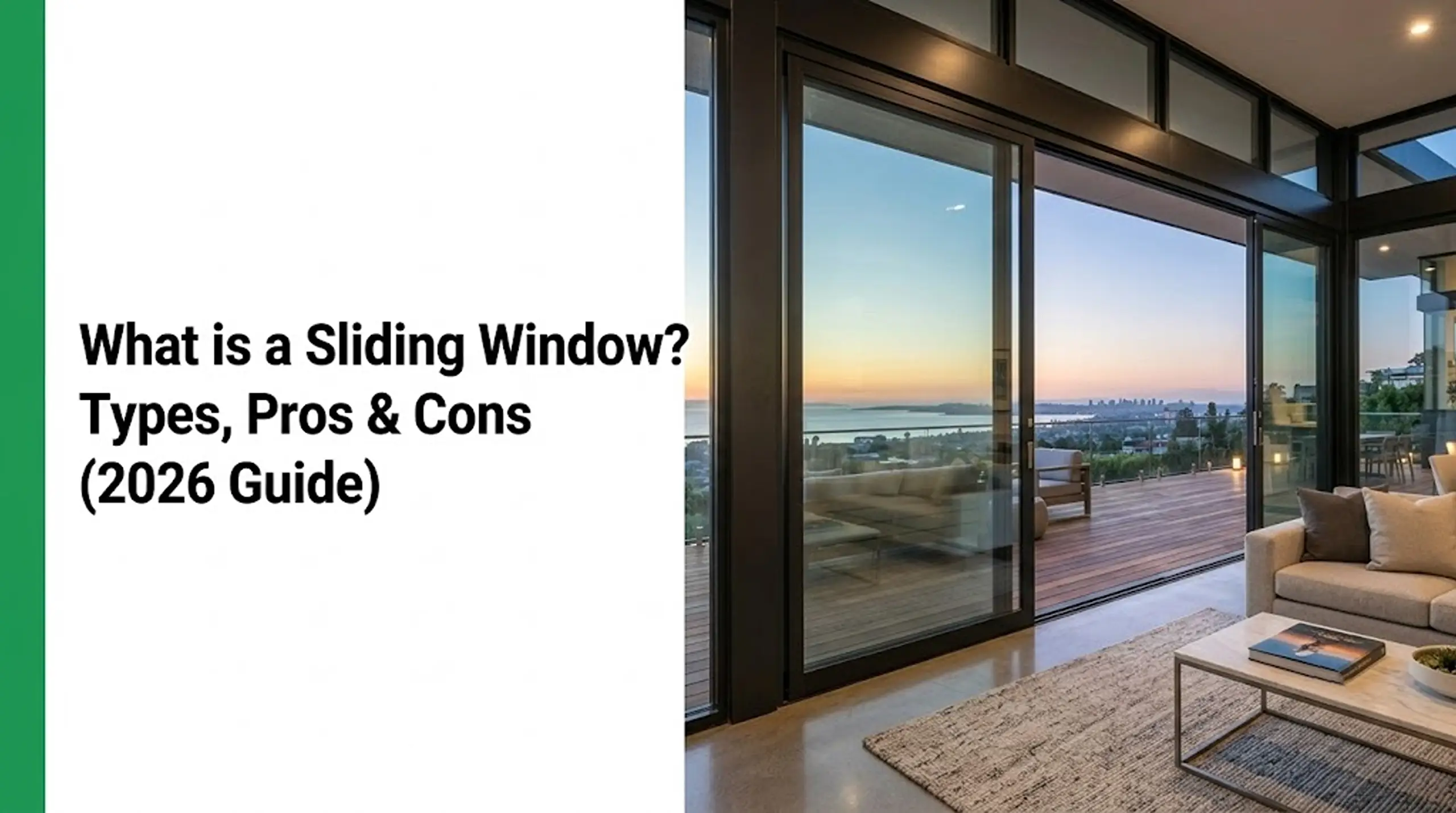
- Sliding Patio Doors: Space-Saving and Modern
- These doors glide smoothly on tracks, making them ideal for rooms where space is at a premium. Think of them as horizontal windows that open up your room!
- French Patio Doors: Classic Elegance and Wide Openings
- French doors bring a touch of timeless charm. They swing open like traditional doors, creating a grand and inviting entrance to your patio.
- Bi-fold Patio Doors: Maximize Your Opening and Embrace the Outdoors
- Imagine folding an entire wall of glass away! Bi-fold doors concertina open, creating a truly expansive connection to your outdoor space.
- Multi-Slide Patio Doors: Panoramic Views and Seamless Transitions
- Similar to sliding doors, but on a larger scale. Multi-slide doors can have multiple panels that stack neatly away, offering breathtaking views and a smooth transition between indoors and out.
Let’s dive deeper into each type:
1. Sliding Patio Doors: Effortless Style and Space Efficiency
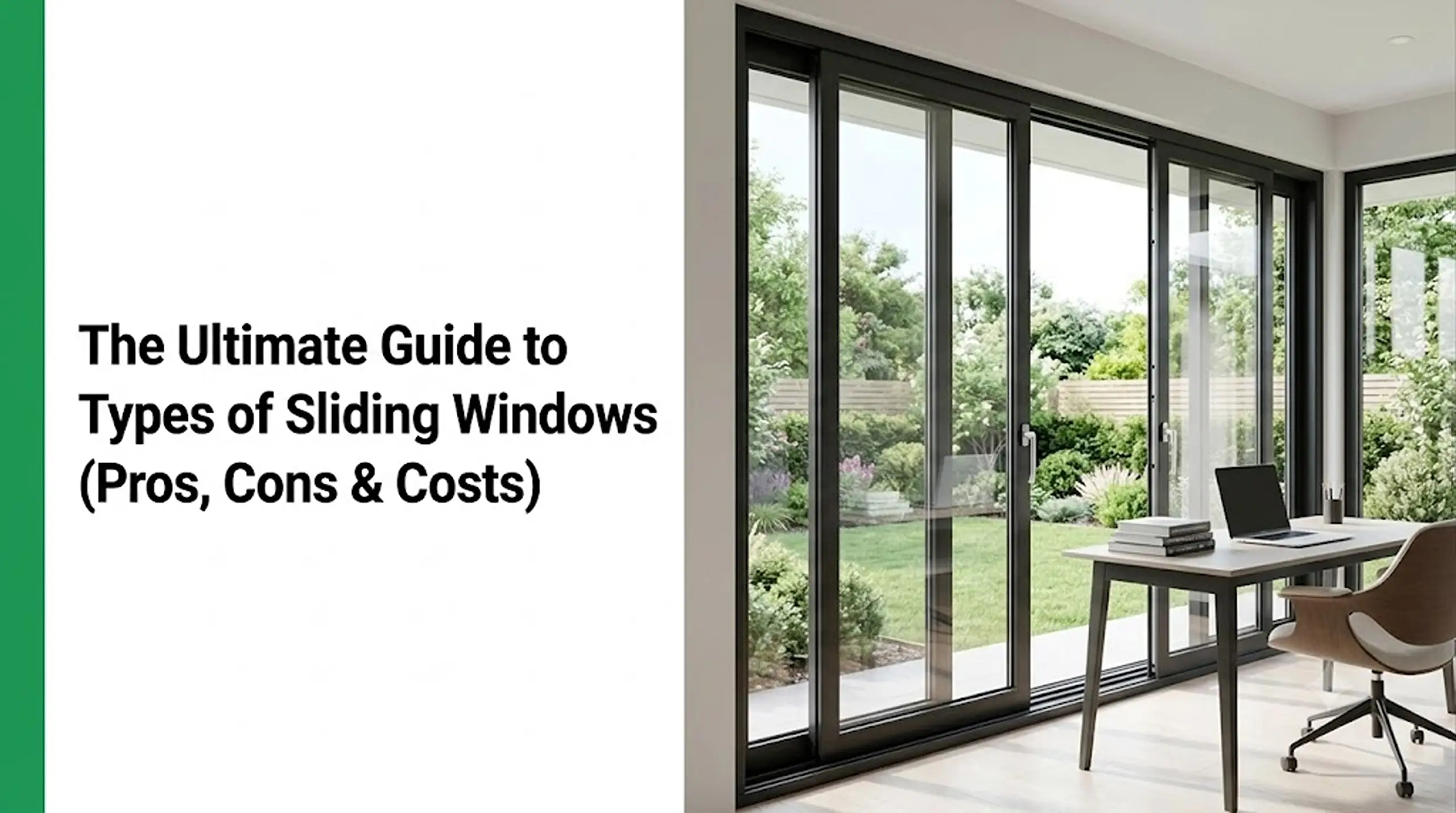
Sliding patio doors are a popular choice for modern homes because they’re simple to use and save space. They operate on tracks: one panel slides smoothly past the other to open. When considering sliding doors, it’s useful to understand the material options available, especially when weighing vinyl vs. aluminum sliding doors.
Single-Track vs. Multi-Track Sliding Doors:
- Single-Track: The classic sliding door. One panel slides over a fixed panel, creating an opening that’s roughly half the door’s total width. Simple and effective!
- Multi-Track: For wider openings! These systems use multiple panels that stack neatly together when closed, and slide along multiple tracks. Think of having more sliding panels to create a wider opening.
Why Choose Sliding Doors? The Benefits:
- Space-Saving Design: No swing space needed! Perfect for smaller patios or rooms where you want to maximize furniture placement.
- Abundant Natural Light: Large glass door panels invite sunlight to brighten your home, making rooms feel larger and more welcoming.
- Sleek, Modern Aesthetic: Clean lines and a minimalist design complement contemporary and transitional home styles.
Pros & Cons of Sliding Patio Doors
| Pros | Cons |
|---|---|
| Space-saving – no swing radius required | Only half the width typically opens (standard 2-panel) |
| Easy, intuitive operation for all ages | Lower-end tracks can clog and need cleaning |
| Wide glass area for natural light | Basic sliders often have weaker locking unless upgraded |
| Compatible with sliding insect screens | Frame profiles can be thicker than French doors |
If you’re deciding between frames, compare our guide on vinyl vs aluminum sliding doors.
If you’re replacing an existing unit, our tutorials on How to Remove a Sliding Patio Door and How to Install a Sliding Screen Door are helpful references.
2. French Patio Doors: Timeless Charm and Grand Entrances
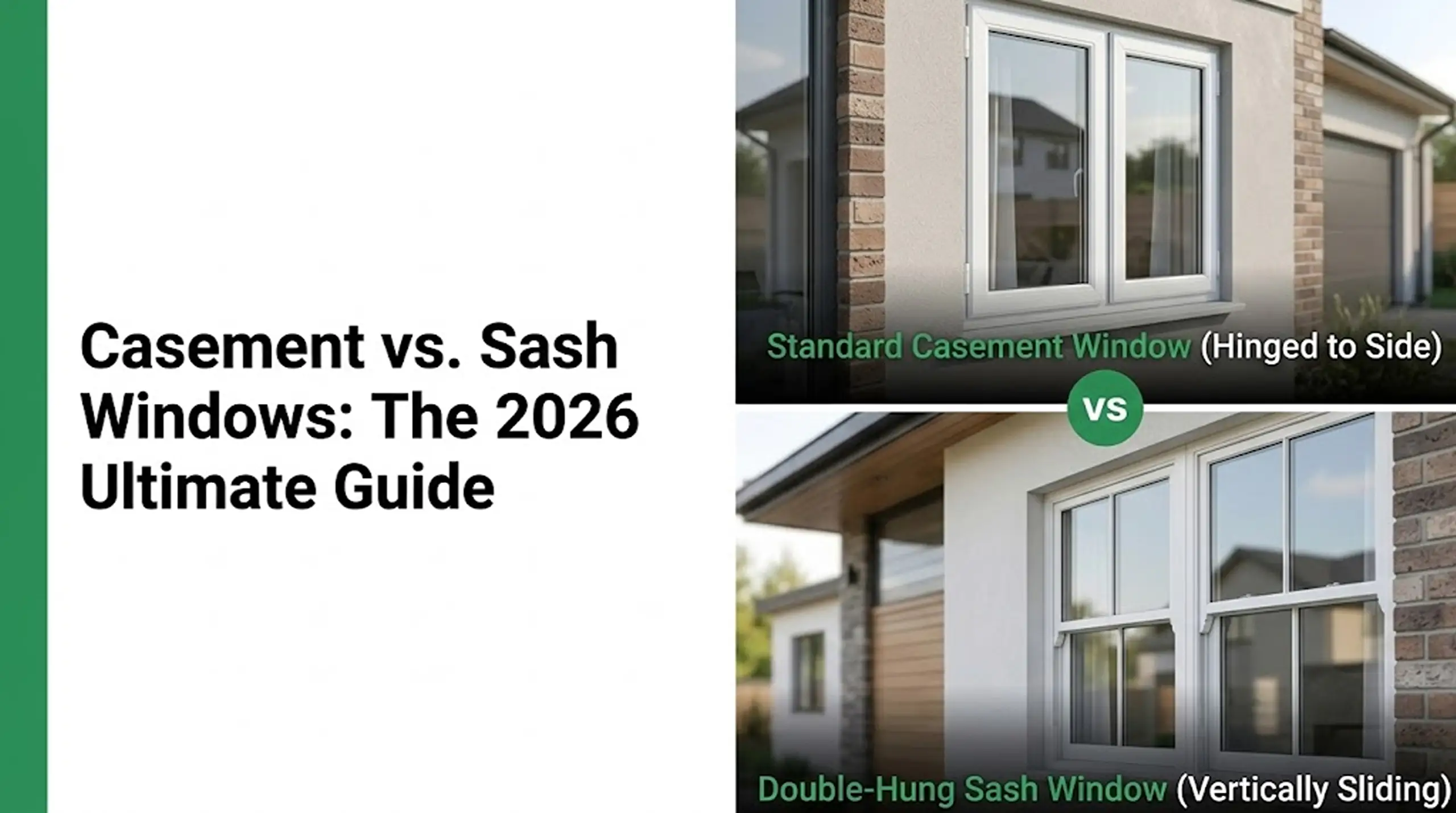
French doors exude classic style and create a welcoming, traditional feel. They feature two doors that swing open from the center, making a wide and elegant entrance.
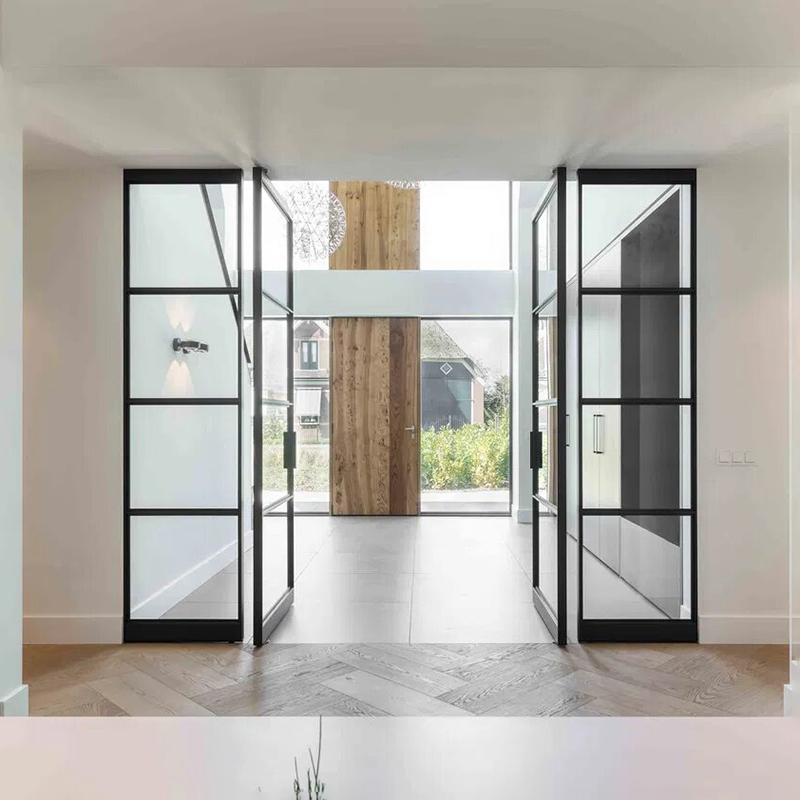
Swing Options: Inward or Outward Opening?
- Inward-Opening: Doors swing into your room. Great for patios where you want to save outdoor space. Just ensure you have enough indoor space for the doors to swing open.
- Outward-Opening: Doors swing out onto your patio. Ideal for rooms with limited interior space. Plus, outward-swinging doors can sometimes offer better weather resistance.
Why Choose French Doors? The Benefits:
- Classic and Elegant Look: Enhances the architectural style of both traditional and modern homes, adding a touch of sophistication.
- Full, Unobstructed Access: Both doors can open fully, creating a wide and inviting passage to your patio.
- Versatile Design: French doors work beautifully in various settings and with different interior design styles.
Pros & Cons of French Doors
| Pros | Cons |
|---|---|
| Classic, upscale appearance | Requires clear swing space inside or outside |
| Can open nearly full width between panels | Needs careful planning for furniture placement |
| Often better perceived as “secure” and solid | More hardware and hinges to maintain |
| Flexible operation: one or both doors can open | In-swing units can be more prone to water intrusion if poorly installed |
Struggling to decide swing direction? See Inswing or Outswing: Which is Right for Your Patio French Door?.
Also compare styles in our French Doors vs Sliding Doors vs Patio Doors breakdown.
3. Bi-fold Patio Doors: Bring the Outdoors In with Expansive Openings
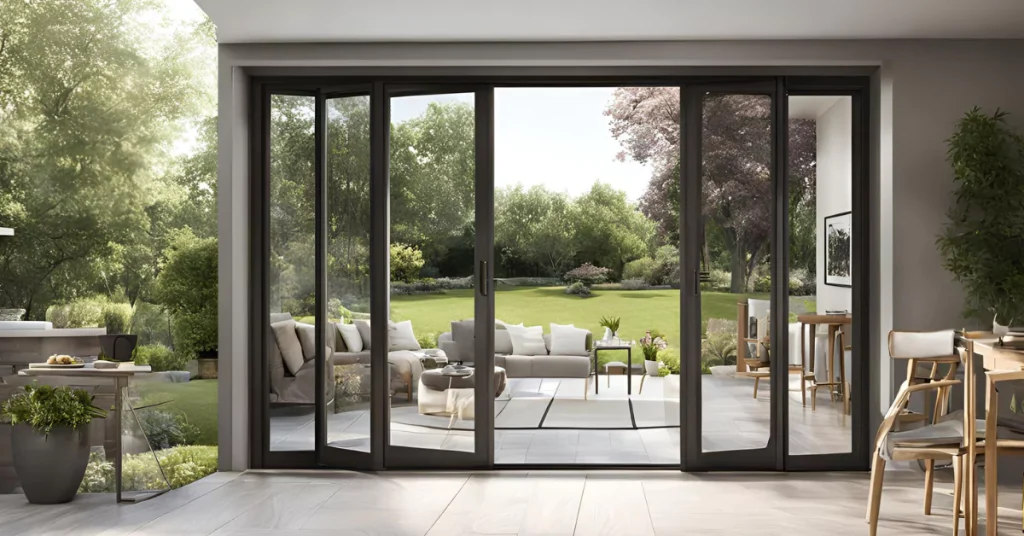
Bi-fold doors are all about creating a seamless indoor-outdoor experience. They fold like an accordion, stacking neatly to one side and opening up an entire wall.
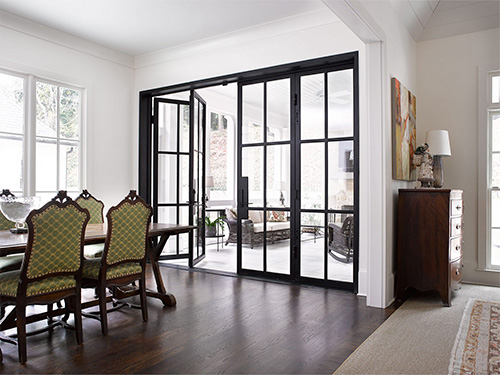
Key Features of Bi-fold Doors:
- Panel Flexibility: Choose from two to eight panels, depending on the width of your opening and desired look.
- Convenient Traffic Door: Many bi-fold systems include a single “traffic door” that can open independently, like a regular door, for quick access without folding the entire system.
- Stacking Options: Panels can be designed to stack on the inside or outside, depending on your space and preference.
Pros & Cons of Bifold Doors
| Pros | Cons |
|---|---|
| Can open 80–90%+ of the wall width | Among the most expensive options |
| Creates dramatic indoor–outdoor connection | Requires robust head support and wide structural opening |
| Flexible panel configurations (odd/even panels, traffic doors) | More moving parts = more potential maintenance |
| Compatible with flush sills for seamless flooring | Needs careful design for drainage and weather performance |
Planning a large opening? Check rough-opening constraints and panel options in our Bifold Door Sizes Guide.
4. Pivot Patio Doors: Maximize Views and Create Seamless Transitions
Pivot doors rotate on a central or offset spindle in the floor and header instead of traditional side hinges. They’re a bold, architectural choice.

Description
- The pivot point may be centered or slightly offset from the jamb.
- Creates a large single panel that swings around a vertical axis.
- Often used as statement pieces in modern and luxury homes.
Pros & Cons of Pivot Doors
| Pros | Cons |
|---|---|
| Striking, modern architectural statement | Typically more expensive than standard hinged/sliding doors |
| Can accommodate very large, heavy panels | Not ideal for standard insect screens |
| Smooth, unique movement | Requires precise installation and strong structure |
| Minimal framing, large uninterrupted glass | Air and water performance must be carefully engineered |
Beyond the Basics: Key Features to Consider in Patio Doors
No matter which type you choose, several essential features will impact your patio door’s performance, appearance, and longevity:
- Frame Materials: The material of your door frame affects insulation, maintenance, and aesthetics. Common options include:
- uPVC (Vinyl): Excellent insulation, low maintenance, and often cost-effective.
- Aluminum: Strong and durable with slim profiles for maximum glass area. Good for modern styles.
- Timber (Wood): Offers a classic and warm look but requires more maintenance (painting or staining).
- Glass Options (Glazing): The type of glass impacts energy efficiency, noise reduction, and security:
- Double Glazing: Standard for good insulation and energy performance.
- Triple Glazing: Superior insulation and noise reduction, ideal for colder climates or noisy areas.
- Low-E Coatings: Reflect heat to keep your home cooler in summer and warmer in winter, improving energy efficiency. For a broader perspective on glass types, exploring the 12 types of glass doors can be beneficial.
- Security Features: Protect your home with robust security features:
- Multi-Point Locking Systems: Secure the door at multiple points along the frame, enhancing security.
- Toughened or Laminated Glass: Stronger and more resistant to impacts and forced entry.
- Threshold Choices: The threshold is the bottom part of the door frame:
- Standard Threshold: Creates a clear separation between inside and outside.
- Low Threshold: Offers a smoother, more accessible transition, especially beneficial for homes with children or elderly residents.
Step-by-Step Guide: Choosing the Right Patio Door for Your Home
Choosing the perfect patio door is easier when you break it down. Here’s a simple step-by-step approach:
- Assess Your Space:
- Space Availability: How much space do you have inside and outside for doors to swing or slide? Sliding doors are great for tight spaces; bi-folds need room to stack.
- View Preference: Do you want to maximize your view? Choose doors with large glass panels.
- Consider Your Climate:
- Insulation Needs: Live in a cold climate? Prioritize doors with excellent insulation and double or triple glazing.
- Weather Resistance: Coastal areas? Opt for corrosion-resistant materials like uPVC or aluminum.
- Heat Control: Hot climate? Look for doors with Low-E coatings to reduce heat gain.
- Think About Security:
- Locking Systems: Always choose doors with multi-point locking systems for enhanced security.
- Glass Strength: Consider toughened or laminated glass for added protection.
- Sliding Door Security: For sliding doors, check for anti-lift mechanisms to prevent forced entry.
- Prioritize Energy Efficiency:
- U-Values: Look for doors with low U-values – this indicates better insulation and less heat loss.
- Low-E Glass: Essential for reflecting heat and improving energy performance.
- Weather Stripping: Ensures a tight seal to prevent drafts and energy loss.
- Choose Your Material:
- uPVC: Affordable, energy-efficient, and low maintenance.
- Timber: Beautiful and natural, but requires regular maintenance.
- Aluminum: Strong, durable, and low maintenance, with a modern aesthetic.
- Consider Other Factors:
- Usage Frequency: How often will you use the door? Choose a door that is easy and convenient for everyday use.
- Home Style: Select a door style that complements your home’s architectural design.
- Budget: Patio door prices vary. Set a budget and explore options within your price range. Understanding the cost of a door installation and the door itself is crucial for effective budgeting.
- Personalize with Color and Glass:
- Frame Color: Choose a frame color that matches your home’s exterior and interior.
- Glass Tint: Tinted glass can add privacy, reduce glare, or enhance the aesthetic.
- Glass Options: Explore clear, tinted, energy-efficient, or obscure glass options to meet your specific needs.
Patio Door Style Spotlight: French, Sliding, and More
Let’s briefly revisit some popular patio door styles:
- French Hinged Patio Doors: Swing open from the center, offering security and a wide, elegant entrance. (Pros: Secure, wide entrance, elegant. Cons: Need swing space, screen options may be limited).
- French Sliding Patio Doors: Combine the classic French look with the space-saving functionality of sliding doors. (Pros: Classic look, space-saving. Cons: Can be slightly more expensive than standard sliding doors).
- Sliding Glass Patio Doors: Maximize glass area with thin frames for unobstructed views and abundant light. (Pros: Maximizes views, abundant light. Cons: Tracks need occasional cleaning).
Quick Tips for Choosing Your Patio Door
- Climate Matters: Always select doors designed for your local weather conditions.
- Energy Star is Your Friend: Look for Energy Star ratings to ensure energy efficiency and potential savings.
- Style Harmony: Make sure your chosen patio door style complements the overall style of your home.
Brands to Explore
Many reputable brands offer high-quality patio doors. Some popular names include:
- PGT (WinGuard, EnergyVue, ClassicVue Max)
- JELD-WEN (Premium Vinyl, Siteline Clad-Wood, W-5500 Clad-Wood)
- Hotian (Premade & Custom Vinyl, Fiberglass, Aluminum options)
- Milgard (Vinyl, Fiberglass, Aluminum options)
- Pella (Reserve, Lifestyle Series, Impervia, 250 Series)
Why Invest in New Patio Doors? The Benefits are Clear
Upgrading your patio doors offers numerous advantages:
- Increased Natural Light: Brighten your home and create a more cheerful atmosphere.
- Improved Access: Enjoy easier access to your patio and outdoor living spaces.
- Energy Savings: Reduce heating and cooling costs with energy-efficient doors.
- Enhanced Home Value: Increase your home’s curb appeal and overall market value.
Avoid These Common Patio Door Mistakes
- Forgetting Space Considerations: Always measure your space and consider swing or slide clearances.
- Ignoring Energy Efficiency: Don’t overlook energy ratings—they impact your comfort and energy bills.
- Compromising on Security: Prioritize security features to protect your home and family.
Glass & Energy Efficiency: The Hidden Specs That Matter
What Do U‑Factor and SHGC Mean for Patio Doors?
Answer first: U‑Factor measures how much heat your door loses; lower is better. SHGC (Solar Heat Gain Coefficient) measures how much solar heat passes through; lower is better in hot climates, and higher can help in cold climates.
- U‑Factor: Typical patio doors range from 0.20–0.35.
- SHGC: Common range is 0.20–0.50, depending on the coating and climate strategy.
In general:
- Cold climates → Low U‑factor, moderate SHGC to capture winter sun.
- Hot/sunny climates → Low U‑factor, low SHGC to reduce solar gain.
Common Glass Options for Patio Doors
Answer first: Glass configuration has more impact on comfort and bills than frame material alone.
- Double-pane glass: Two panes with a gas fill (argon). Standard for most quality patio doors.
- Triple-pane glass: Three panes; higher insulation, heavier and costlier. Good for extreme climates or noise reduction.
- Low‑E coatings: Microscopically thin metallic layers that reflect infrared energy. Essential for managing heat gain and loss.
- Impact-resistant (hurricane) glass: Laminated glass that resists shattering; critical in coastal and hurricane-prone zones.
For more glass specifics and options by room, see different types of glass doors and Insulating Sliding Glass Doors for Patio.
Frequently Asked Questions (FAQs)
What type of patio door is best for a patio?
Which patio doors offer the best insulation?
What is the most secure type of patio door?
Conclusion: The “Best” Patio Door Depends on Your Space
There is no one “best” patio door—only the best match for your space, climate, and lifestyle.
- Need space efficiency? → Choose sliding or pocket doors.
- Want a classic, architectural statement? → Choose French or pivot doors.
- Aiming for true indoor–outdoor living with big openings? → Choose bifold or lift-and-slide systems.
- Prioritizing budget and low maintenance? → Choose vinyl sliders.
- Maximizing performance and aesthetics? → Consider fiberglass, aluminum, or steel systems with advanced glass.
Next Step: Design Custom Patio Doors with Hotian Windows
Hotian Windows engineers and manufactures custom patio doors in multiple:
- Operating types: Sliding, French, bifold, pocket, lift-and-slide, pivot
- Materials: Vinyl, aluminum, fiberglass, steel, and hybrid systems
- Glass packages: Double/triple-pane, Low‑E, laminated, and impact-rated
- Styles: Minimalist modern, classic French, industrial, and more
👉 Ready to create your perfect patio door?
- Explore options in our Patio Doors Buying Guide:
Patio Doors Buying Guide - Compare layouts:
French Doors vs Sliding Doors vs Patio Doors - Talk to a design specialist at Hotian Windows & Doors for a free consultation and quote on fully custom patio doors tailored to your home.
Hotian can match your exact size, operation type, material, and glass performance—so you don’t have to compromise between style and function.