French doors: More glass, more light, stylish indoor–outdoor connection—best for patios, home offices, or interiors where aesthetics matter and privacy isn’t critical.
double door: Solid or paneled for privacy, security, and insulation—ideal for front entrances or bedrooms where durability and protection are paramount.
Core Concept:
All French doors are double, but not all double doors are French.
Quick Comparison:
- Choose French doors for light and aesthetics.
- Choose solid double doors for privacy and security.
(Note: This article covers architectural home doors, not refrigerator door comparisons—if you searched for fridge doors, you’re in the wrong place!) ✅
What is a Double Door? (The Configuration)
A double door (also called a double-leaf door) is a doorway opening fitted with two separate door panels. Each side is called a leaf.
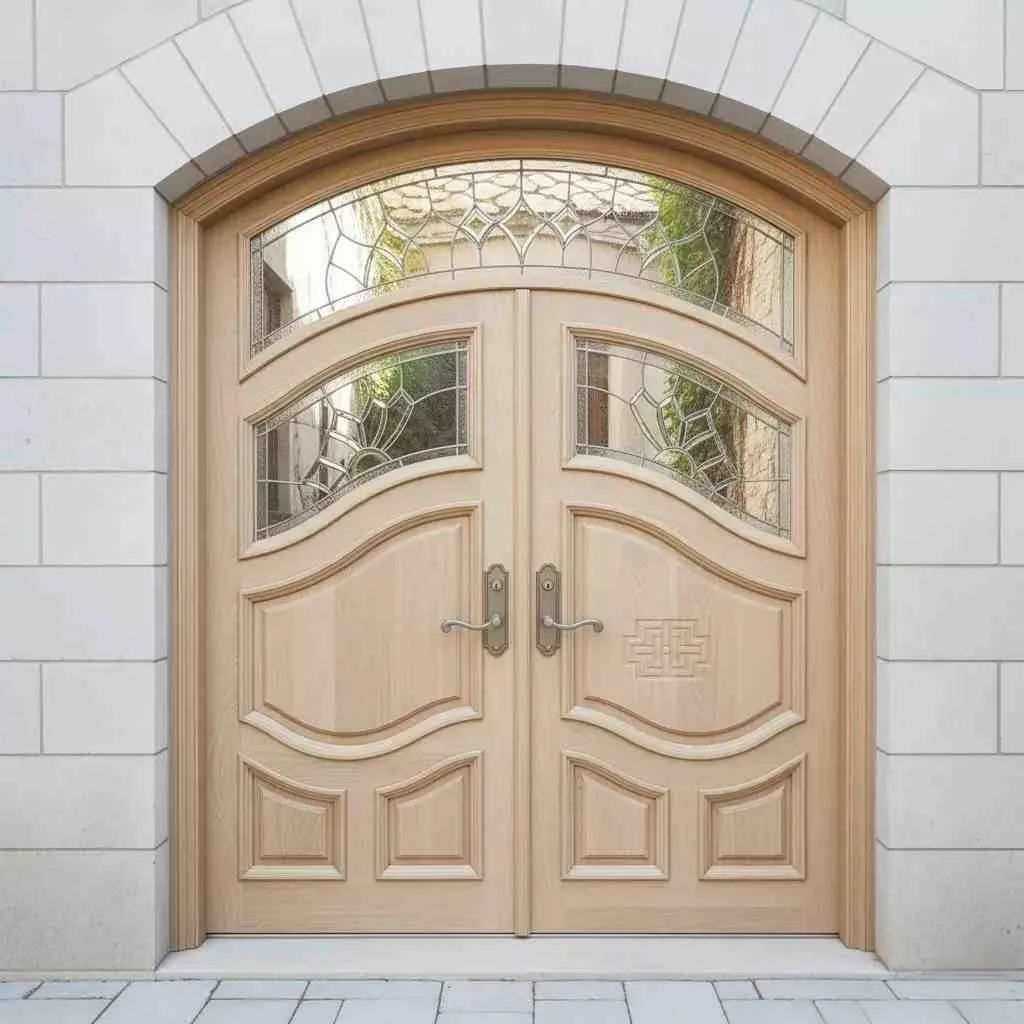
Key concept: It’s a configuration, not a style. Both leaves may open (active/active), or one may stay fixed (active/inactive).
Double Door Characteristics:
- Two doors meet in the middle.
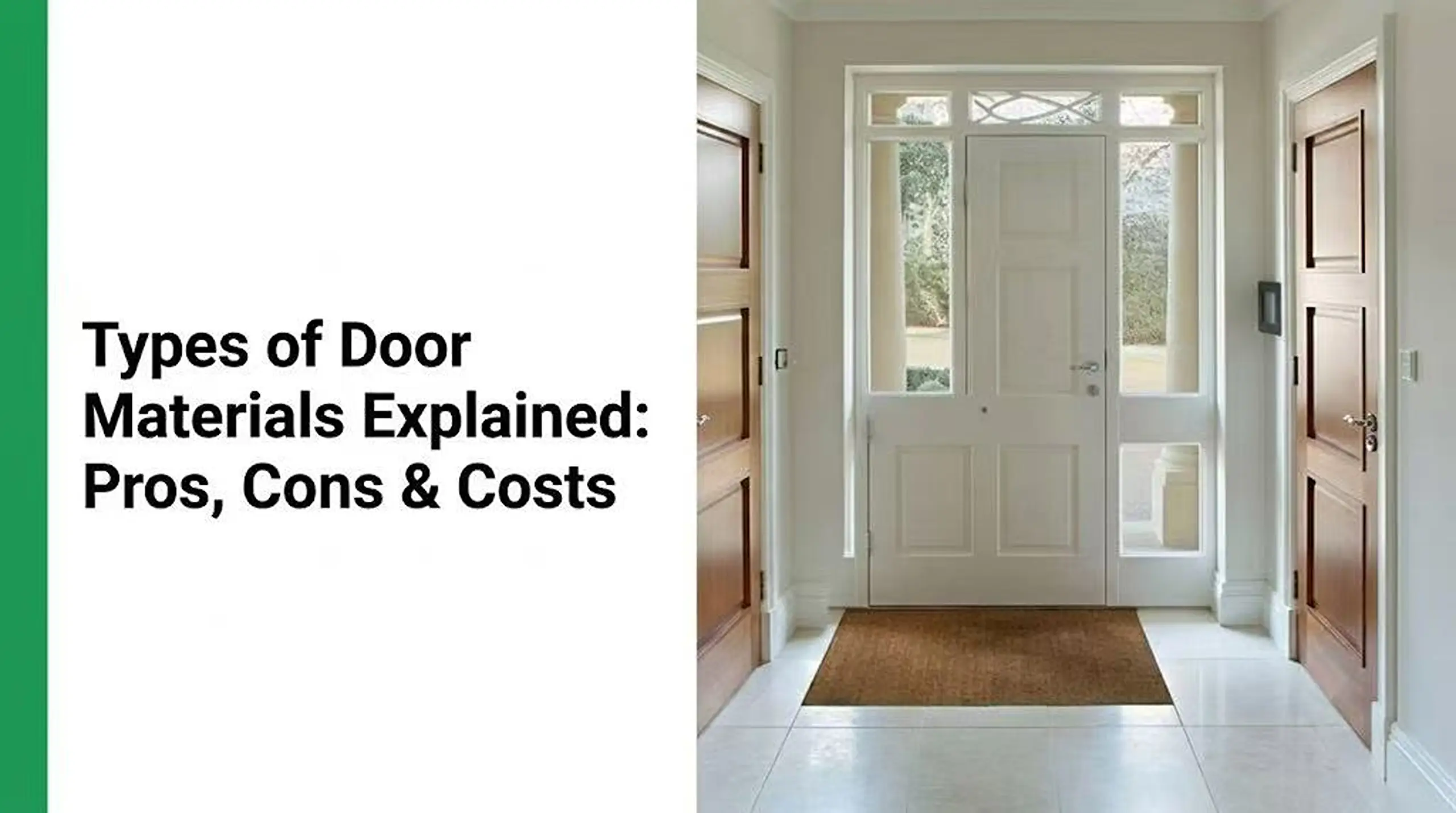
- Can be solid, paneled, or glass.
- Can be made from wood, steel, fiberglass, or aluminum.
- Used in front entries, interiors, or commercial spaces.
Examples:
- Panel double entry doors made of solid oak.
- Flush double doors in modern condos or offices.
- French doors, which are glass-paneled double doors.
For premium custom options, explore our custom aluminum double doors or steel door ultimate guide.
What is a French Door? (The Style)
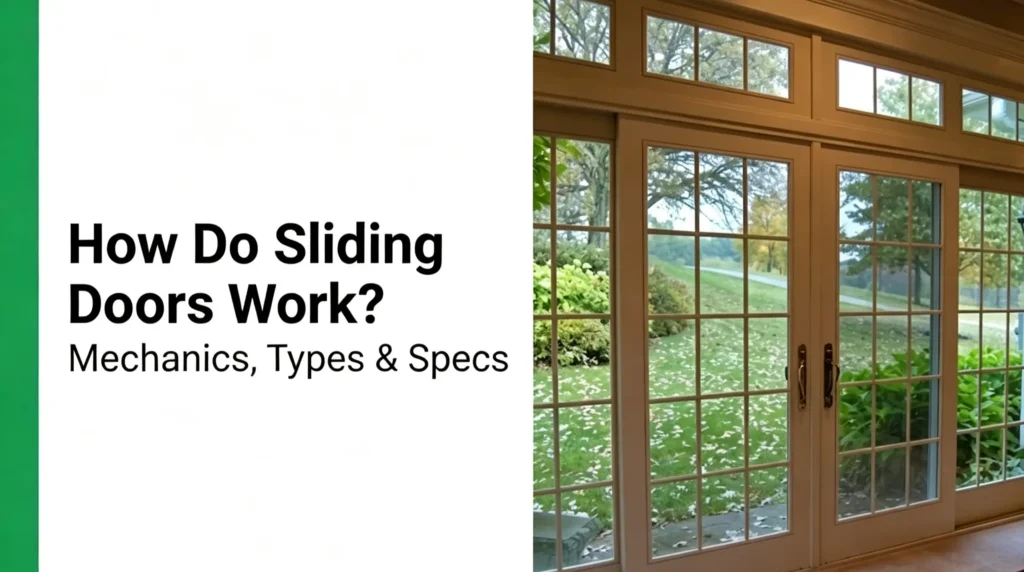
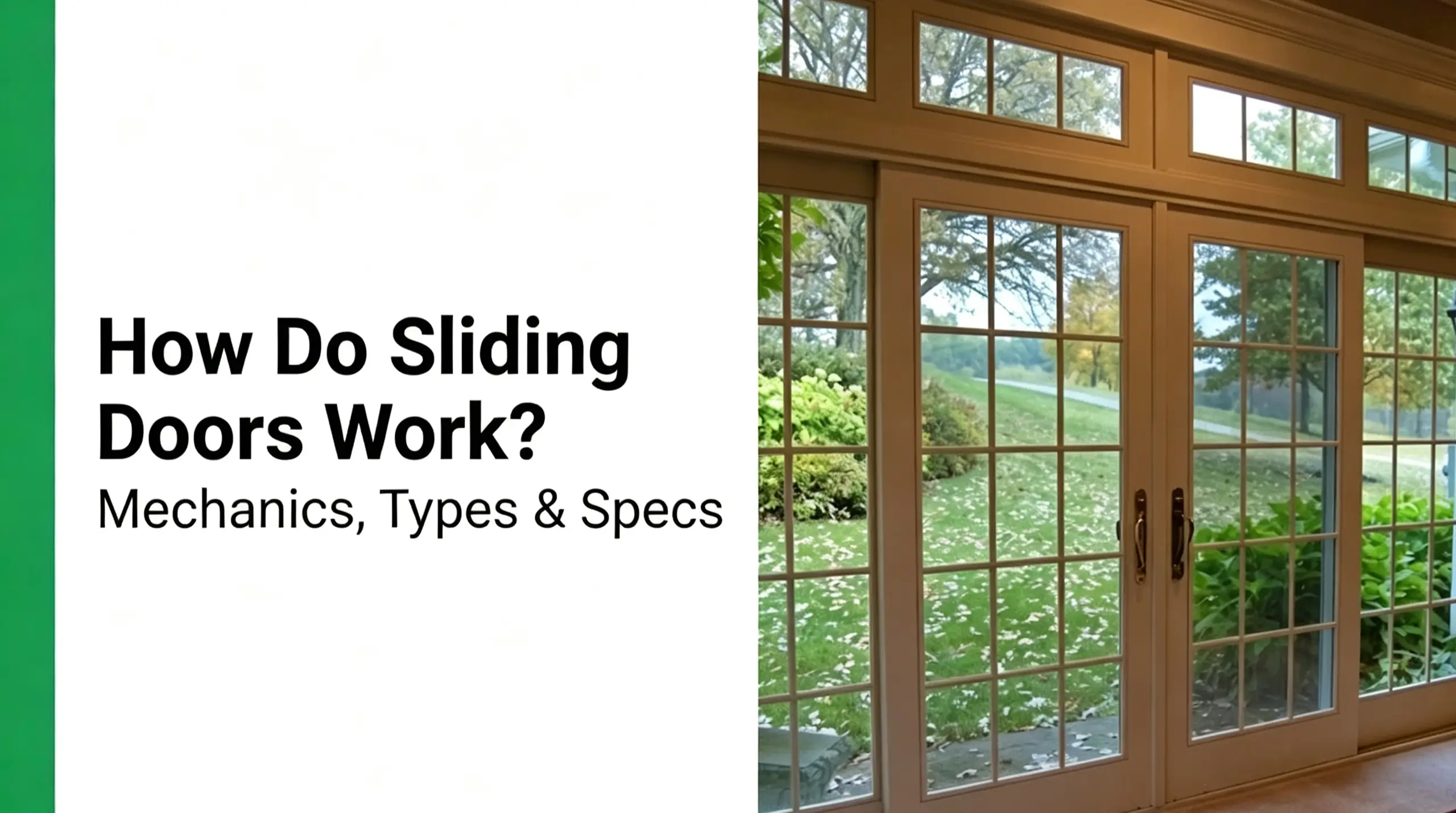
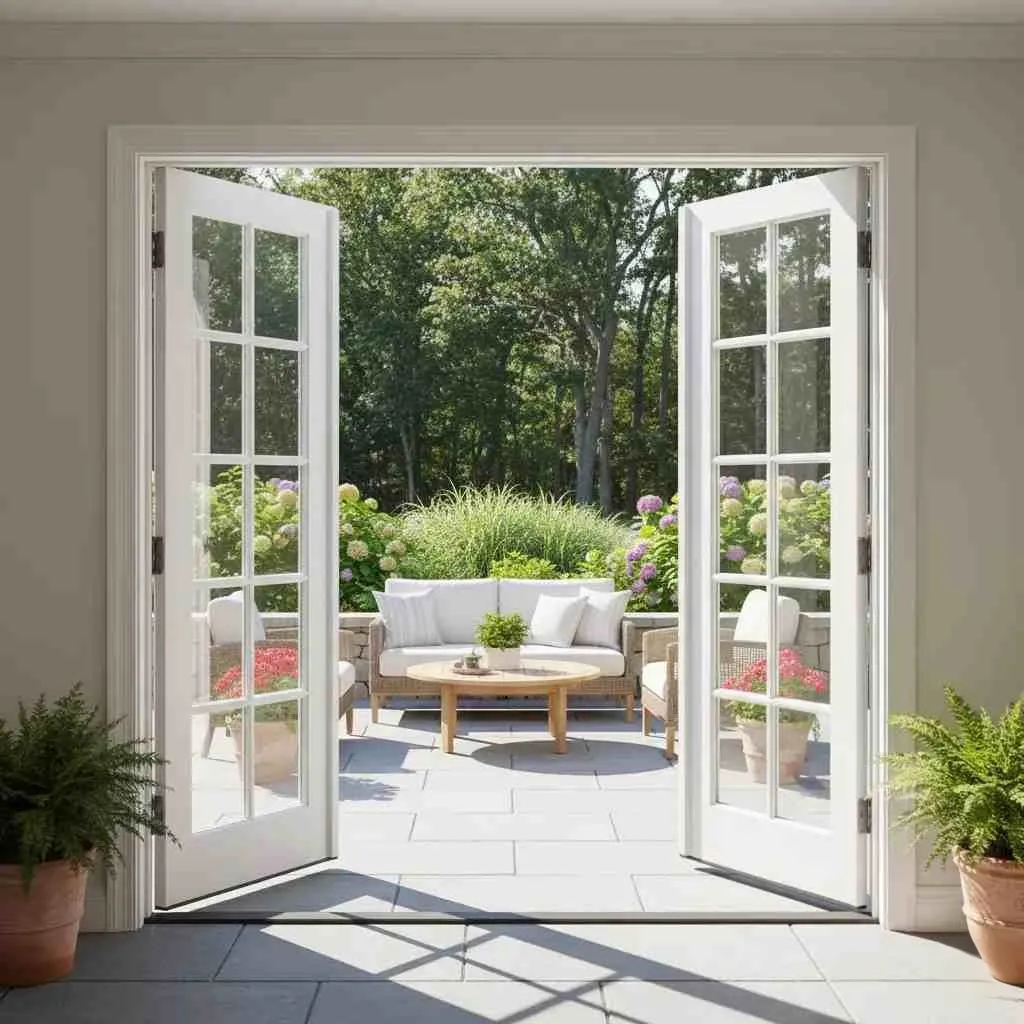
A French door is a style of double door built primarily from glass panes framed in wood, steel, or fiberglass.
Key characteristics:
- Typically contains multiple glass panes, called lites.
- Swings open from the center (inward or outward).
- Allows maximum natural light and an open visual connection between spaces.
- Common for patios, balconies, or interior room dividers.
Typical use cases:
- Connecting the living room to a patio or garden.
- Creating transparency between a home office and hallway.
- Letting natural light flow between rooms.
For design inspiration, visit our custom French doors collection or Top 15 French Door Manufacturers in 2025.
French Door vs. Double Door: A Head-to-Head Comparison
Here’s a clear side-by-side comparison between a French door (glass) and a solid/panel double door (wood, steel, or composite).
| Feature | French Doors | Solid / Panel Double Doors |
|---|---|---|
| Primary Feature | Glass panes | Solid panels (wood, steel, fiberglass) |
| Natural Light | Excellent | Minimal (unless sidelights) |
| Privacy | Low (add blinds/curtains) | Excellent |
| Security | Good — tempered or laminated glass | Excellent (solid cores resist forced entry) |
| Best For… | Patios, home offices, interior room dividers | Front entrances, bedrooms, closets |
| Average Cost (Installed) | $2,000 – $8,000+ | $1,500 – $7,000+ |
| Energy Efficiency | Moderate (depends on Low‑E double glazing) | High (solid cores insulate better) |
Pros and Cons of French Doors
French doors are beloved for light, elegance, and connecting indoors to outdoors, but they trade privacy and insulation for beauty.
✅ Pros:
- Natural Light: Brightens interiors, making rooms feel larger.
- Elegant Aesthetics: Timeless and sophisticated; fits traditional and modern homes alike.
- Indoor–Outdoor Flow: Creates seamless transitions to decks, patios, or gardens.
- Visual Connection: Ideal for interior use—separate spaces without isolation.
❌ Cons:
- Privacy Limitations: Transparent glass may require curtains or frosted finishes.
- Security Considerations: Though tempered glass is strong, it’s still breakable.
- Insulation: Glass transfers heat/cold more than solid doors (upgrade to double-glazed Low‑E).
- Swing Space: Inward/outward swing requires clearance.
Consider adding storm doors or tinted glass for improvement—learn more in our Patio Doors Buying Guide.
Pros and Cons of Solid Double Doors
Solid double doors are built for protection, privacy, and durability—but can visually feel heavy compared to French doors.
✅ Pros:
- Maximum Privacy: Perfect for entryways, bedrooms, or utility spaces.
- Superior Security: Solid cores deter intrusion; best for front entries.
- High Energy Efficiency: Excellent insulation; reduces drafts.
- Style Flexibility: Available in wood, fiberglass, steel, or aluminum.
- Durability: Withstands dents, cracks, and scratches better than glass.
❌ Cons:
- Blocks Light: No glass means darker interiors.
- Heavier Aesthetic: Can feel imposing in smaller spaces.
- No Visual Connection: Fully divides rooms—less visual openness.
For safer configurations, explore our steel door buying guide for security-forward designs.
Cost Comparison: French Doors vs. Double Doors
Costs vary widely depending on materials, installation type, and whether it’s for exterior or interior use.
Material Impact on Cost (Lowest → Highest):
- Hollow Core (interior only): Most affordable; under $500.
- Vinyl: Great for budget exterior patio doors.
- Fiberglass: Balance of cost, efficiency, durability.
- Steel: Secure, contemporary look; mid-range pricing.
- Wood (Pine/Oak): Warm aesthetic, requires maintenance.
- Custom Aluminum / Clad Wood: Premium luxury range.
Installation Factors:
- Pre-hung vs. Slab: Pre-hung easier, cheaper by $200–$400.
- Retrofit vs. New Opening: Adding a new double doorway adds $500–$1,000 for framing.
| Door Type | Installed Cost Range (USD) |
|---|---|
| Interior Double Door | $500 – $2,500 |
| Exterior Solid Double Door | $1,500 – $7,000+ |
| Exterior French Door | $2,000 – $8,000+ |
For architectural framing considerations, see our Door Frame Types guide.
Which is Right for You? (Use-Case Scenarios)
Choose based on function, desired light, and privacy needs.
- Front Entryway:
→ Solid double doors strongly recommended for privacy and security.
→ Consider French doors only with laminated security glass. - Patio or Deck:
→ French doors excel here—maximize views and natural light. - Home Office or Dining Room:
→ Choose interior French doors for visibility and sound isolation. - Bedrooms / Closets:
→ Solid double doors maintain privacy and acoustic control.
For large openings, explore modern solutions in our Sliding vs. Folding Doors comparison.
What About Other Wide-Opening Door Types?
French and solid double doors aren’t your only options. Other wide-opening solutions include sliding and bifold doors.
Sliding Glass Doors
- Pro: Space-saving—don’t require swing clearance.
- Con: Only half the doorway opens at once.
Bifold Doors
- Pro: Fully open wall-to-wall; stunning patio access.
- Con: More expensive and complex track systems.
For alternatives, read our Bifold Door Sizes Guide and Pocket Door vs. Barn Door comparison.
Conclusion: Your Perfect Pair
The debate isn’t “French vs. double”—it’s style vs. structure.
- A double door is a configuration (two-door setup).
- A French door is a style emphasizing light and design.
Your Guiding Principle:
- Choose French doors for openness, elegance, and daylight.
- Choose solid double doors for privacy, insulation, and security.
Ready to find your perfect match?
- 🌿 Explore custom steel French doors for light and style.
- 🛡️ See custom aluminum double doors for durability.
- 🔧 Have questions? Get advice in our Swing Doors guide or request a free design consultation.
Frequently Asked Questions (FAQs)
Are French doors more expensive than double doors?
Are French doors secure?
Can you replace a sliding door with French doors?
Do French doors add value to a home?
What is the difference between a French door and a patio door?
“French door” describes style (two doors with glass panes).
So yes—French doors are a type of patio door, while sliding doors are another common type.